
Why Your First Welds Look Messy — And How to Fix Them
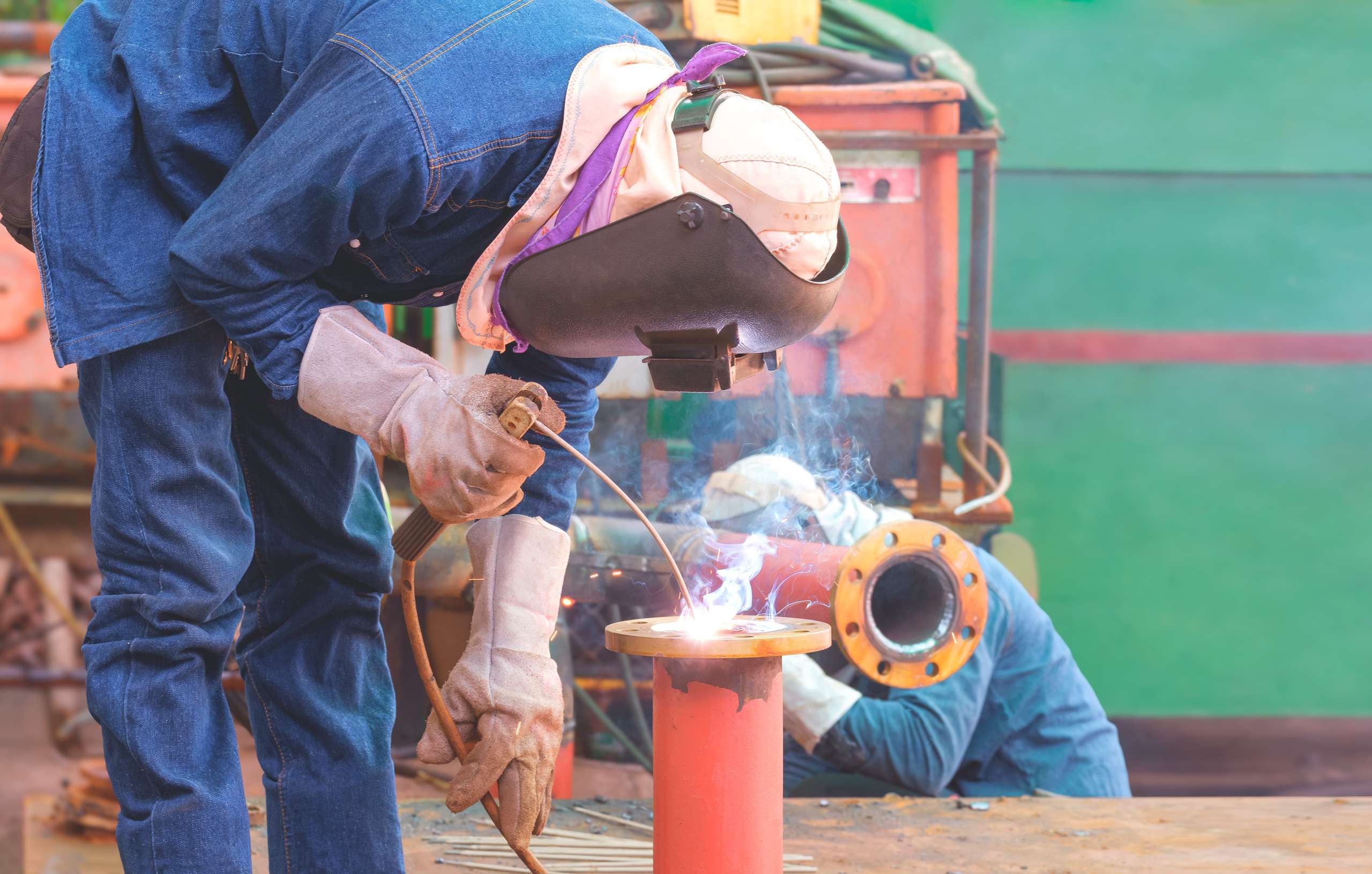
The puddle has no patience for indecision. Many first few welds are lumpy like a rough cord or sprayed like a splash because the arc was moved, the speed varied, or the torch distance was adjusted. It’s easy to attribute this to the welder, but the primary influence is the operator’s hand. Anchoring your feet and bracing your forearms will instantly remove much of the shakiness. A good pre-strike drill is to run the torch along the joint without arc, at a comfortable speed that can be held for several seconds. This helps develop the motion in your nervous system and makes any contortions apparent without the arc glare.
The most frequent error is being too far away from the metal. As the distance increases the arc is extended, you get spatter instead of a smooth hiss. New users tend to back away as it sparkles. Keep the tip close enough that the arc feels controlled but not so close that it sticks. Keeping the edges of the bead in your field of view gives you a better feel for your speed than watching the point of the bead. If your bead is too tall, slow down slightly. Too flat and wide, too fast. Too flat and wide and you also need to adjust the angle.
There’s an exercise you can do every day that takes fifteen minutes. It’s three parts. First, spend a few minutes laying beads on junk metal. The beads don’t have to look good. All you need to worry about is holding the same distance and making the same sound. Second, try to lay a bead on a straight line, marked with chalk, that stays in the middle. Last, look at the metal after it has cooled in a good light and observe any changes in the width or height of the bead. This do–observe drill helps your eye as much as your hand. Do it every day for a few days and you develop a steadier hand faster than if you do it every few days for a longer time.
If you find that you are not improving, just change one thing at a time. When you change travel speed, torch angle, and adjust settings at the same time you do not know which one affected the outcome either way. When beads get wobbly, it may be fatigue because you are squeezing the torch too hard and it causes the shakes. Release your hand tension and support your wrist for a better arc. Smoke is another cause that is not thought of. Smoke and bad lighting causes you not to be able to see the weld pool and you are just winging it. Take a short pause if you need to in order to clean your vision back up so you won’t float off of the joint.
It’s equally important to use clean metal and prepare the pieces to be welded properly. When there’s rust, paint, or oil present it introduces porosity into the bead and creates loud crackling noises. Although it’s a hassle, using a wire brush or grinder to clean the joint area can make a world of difference. If you are keeping a steady position and moving at a steady rate and have clean metal, you will start to see that your sparks are now forming a nice, consistent line of molten metal. Once your arc doesn’t sound like a crackling brook and your puddle isn’t splashing everywhere, you have officially started welding instead of just throwing sparks around.