
Why Your Welds Crack or Break — And How to Build Real Strength
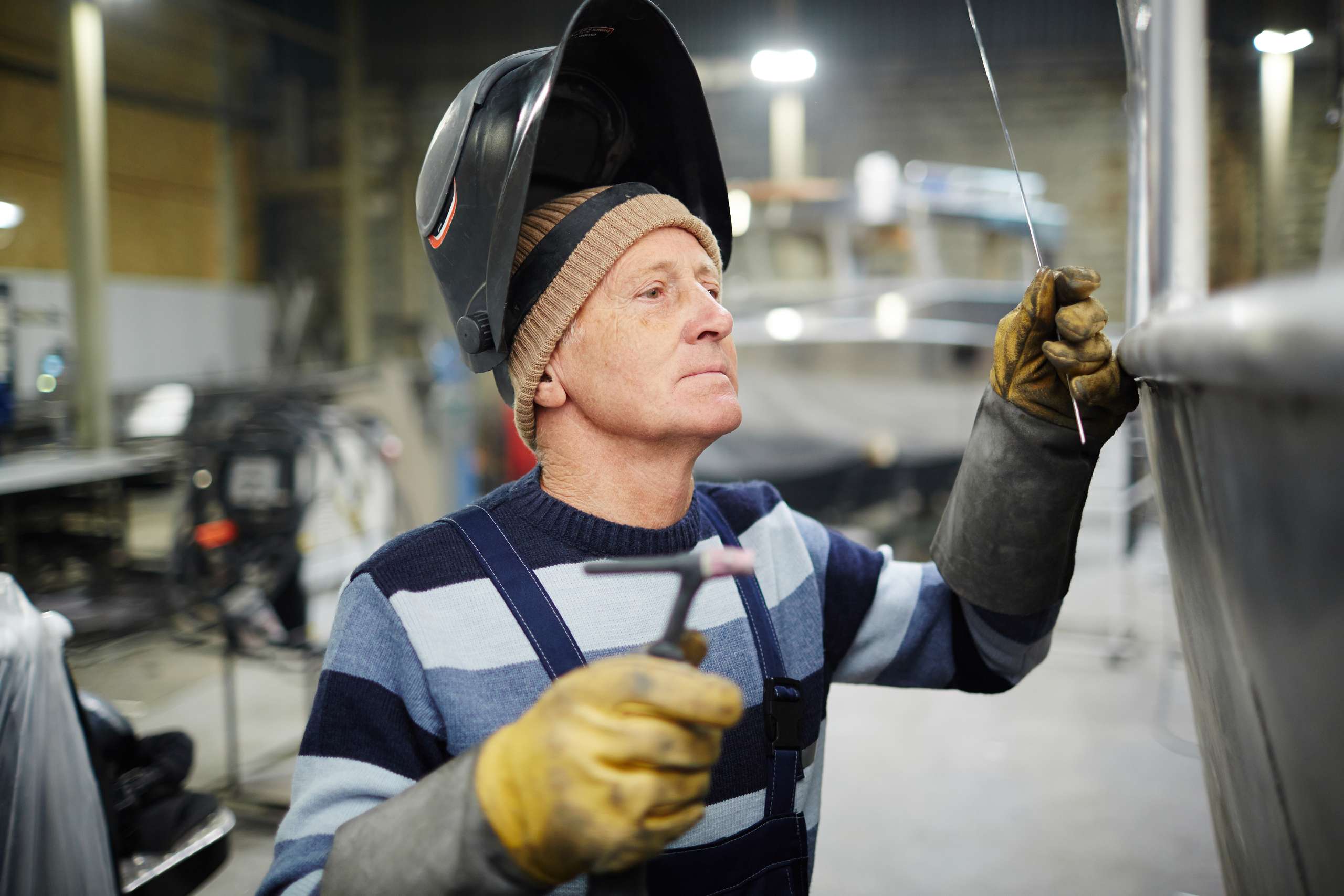
Just because the weld looks like it has penetrated, does not mean that it is. One of the biggest mistakes novices make is trying to get a pretty bead, a straight line of metal. But what is important is that the pieces be fused together. You must generate enough heat to melt the two pieces together into one. If the bead just rides over the top of the metal, the bead can pop right off with a good whack, or maybe just bend. A simple way to check is to tap the cooled weld with a hammer. A nice dull “clunk” probably means it is fused, while a ringing sound probably means it is not.
Fast travel speed, caused by trying to avoid burning a hole through the parts, is the leading cause of a weak weld. Although the concern for burn-through is warranted, especially on thin steel, too much travel speed won’t allow the arc to heat through the thickness of the metal. You will end up with a nice looking bead, but it’s only surface-deep. Try to slow down a bit and observe a small puddle form consistently at the leading edge of the weld. A common error is not directing the arc onto both pieces of metal equally. This will create a weld where one side is fully fused and the other side is only superficially attached.
In only a few minutes each day, a short routine can improve technique without taking up too much time. Weld a few simple T joints between scraps, let them cool, and then slowly bend the pieces. Instead of just looking at your work, find out where the pieces break by slowly bending them. When they do break, if they break in the base metal, you got penetration. If they break off right at the weld bead, you probably needed a little more heat, or to move slower.
Contamination is another cause of cracking. When oil, rust, or moisture gets inside a joint and then heated, it forms small cracks that reduce the strength of the weld. Wipe down the parts to be joined with a clean cloth before welding to avoid these internal cracks. A less obvious cause is rapid cooling of a weld in cold temperatures, which will embrittle the weld. Let the part air cool rather than cooling it with a fan or water to avoid this.
With practice, you can feel the strength of a weld before you even hit it with the hammer. The puddle is penetrating, the bead is feathered nicely at the edges, and the weld generally feels like a part of the piece of metal and not just stuck onto it. The test proves that the weld can handle flexing, and vibration, and an impact, and when the assembly bends and vibrates and is struck and remains intact, it is a sign that the welder has moved from superficial manipulation to grasping the physical interior.