
Reading the Weld Pool: The Skill That Changes Everything
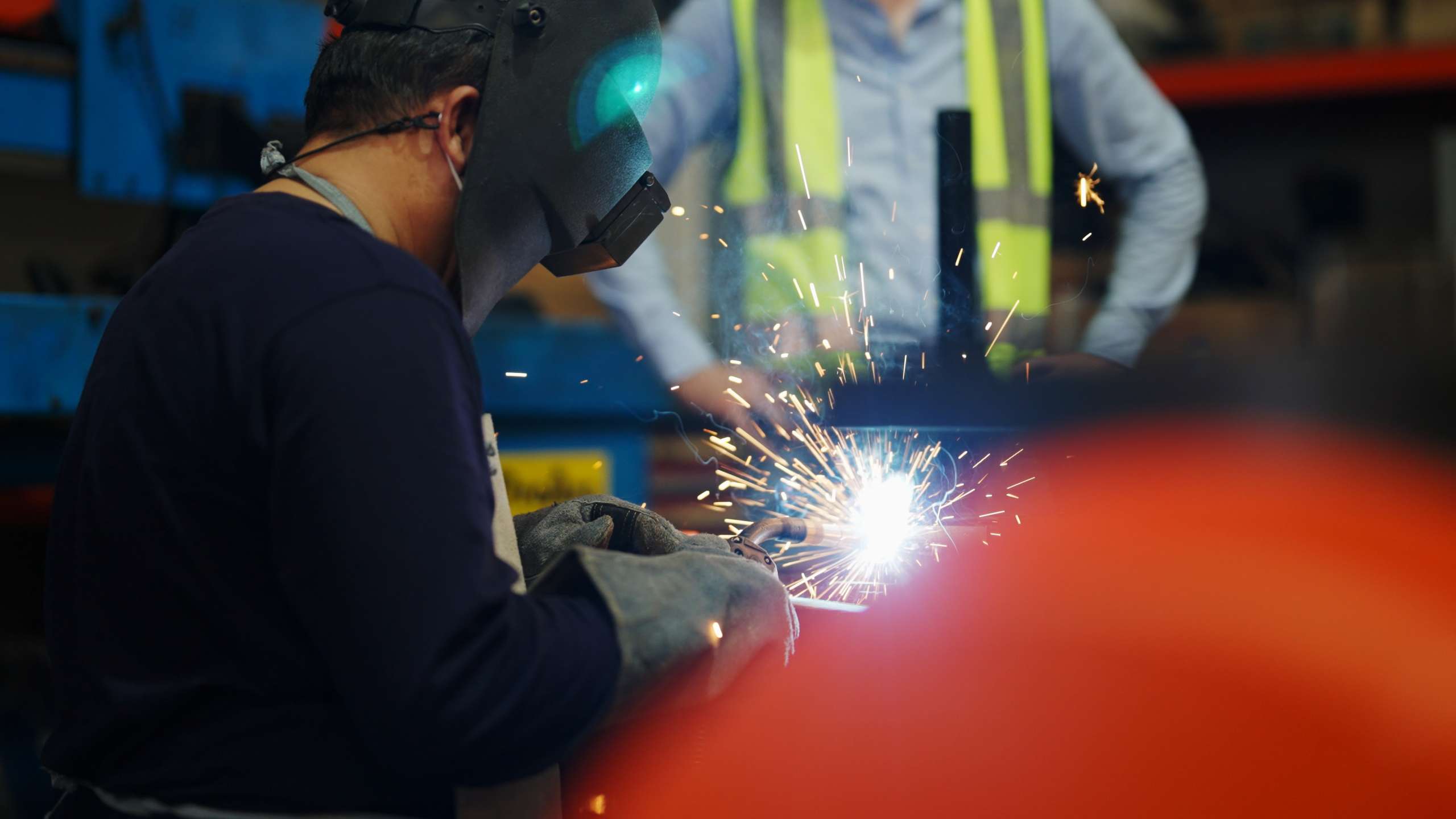
It is easy to get drawn into watching the light and the sparks, but those can be deceiving. I’ve seen lots of new welders focused on the arc, when they should be watching the pool of molten metal just behind the arc. The pool is where the actual welding happens, and being able to see its size and shape makes a huge difference in being able to control your weld. If the pool is roughly egg shaped, you’re going at a good speed. If the pool is too teardrop shaped, you’re going too fast. If the pool is too large, you’re heating too much and not moving enough.
One common mistake that people make when they first start out is to try and spread the flame out to “fill” the joint. Spreading the flame out cools the pool down irregularly, and causes the weld bead to look chunky, instead of smooth. Use small movements, and allow the bead to run out to the joint edges on its own. Think of it as pouring a liquid, not brushing a surface. A second common mistake is to sit on the initial spot too long, and develop a bubble on the weld, and then go on from there. Starting with a quick burn and moving on to the left will eliminate that bubble, and give the bead a consistent appearance throughout its length.
It’s also worth dedicating a practice session to just observing the pool. Make a few passes at a straight bead on some flat scrap and attempt to look past the arc and directly at the pool. Attempt to vary the speed a little slower, a little faster and observe the pool’s geometry. Stop frequently to allow the piece to cool, then run your finger close to the bead but not touching it to judge the width and height of the weld. This type of observation and comparison of what you saw with what actually resulted helps train your perception in a way that writing can never accomplish.
When visibility is lost due to difficulties the crackle will give hints. A steady crackle is good but popping or sputtering means the water could be dirty or the distance too great. If you lose sight of the pool, shift your position instead of adjusting your wrist into an uncomfortable position. A direct sight path is important to maintain for avoiding a float off. Another factor is loss of focus due to tiredness, if you start to lose focus, errors will creep up fast, so it may be better to halt for a moment.
The thickness of the metal dictates the way the pool moves and conducts itself. The thinner the piece the faster the pool will heat and the faster you have to move with it. Thicker pieces will need more time for the pool to penetrate through. Learning to weld on a variety of scrap pieces will help you become aware of the pools accumulation of heat over time, particularly when working a long seam in which the metal is gradually getting hotter and hotter. With time the pool will stop appearing wild and it will begin to follow your every movement as a small shimmering mirror.